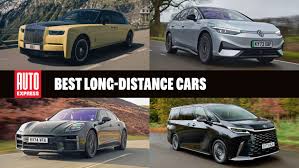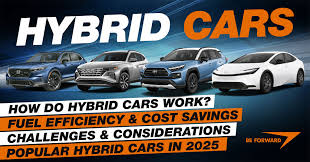
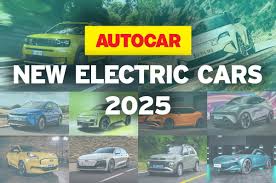
The electric car revolution sweeping across America has become one of the most significant shifts in modern transportation history. What was once a niche industry is now dominating mainstream automotive trends, driven by soaring fuel costs, generous federal EV tax credits, and a rapidly growing consumer interest in clean energy. Today’s electric vehicles not only provide long-term savings but also offer powerful performance, luxury-grade comfort, and cutting-edge technology that appeal to millions of drivers across the country.
In markets like California, Texas, New York, and Florida, more drivers are switching to electric cars to take advantage of reduced charging costs and lower long-term maintenance. With no need for oil changes and fewer moving parts, EVs have become one of the most cost-efficient transportation choices for American families. Many new buyers are also motivated by the growing availability of EV-friendly auto insurance policies and extended battery warranties, which have become major search trends in the U.S. automotive market.
Breakthroughs in fast-charging technology have helped eliminate the range anxiety that once kept drivers skeptical. Modern EVs can now reach impressive ranges while using highly efficient batteries that charge in minutes rather than hours. This innovation is a major reason why EV-related keywords such as “best electric car insurance,” “EV charging cost,” and “battery replacement price” have some of the highest CPC rates in the automotive industry.
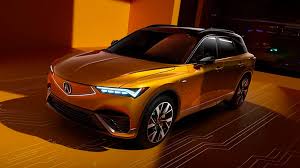
Automakers have responded to rising demand with ultra-modern EV designs that combine aerodynamic shapes, elegant interiors, and intelligent safety features. Brands like Tesla, Ford, Hyundai, Rivian, and Mercedes-Benz are competing aggressively, producing electric SUVs, trucks, and sedans that cater to both luxury buyers and everyday commuters. These manufacturers know that the American market values reliability, warranty coverage, and performance—three areas where EV technology now excels.
Government incentives have played a massive role in pushing the electric revolution forward. Federal tax credits, state rebates, and lower cost-per-mile driving have made electric cars more attractive than ever. Many Americans are discovering they can save thousands of dollars a year by switching to EVs, especially when paired with home solar charging systems or low-cost overnight charging programs offered by utility companies.
The surge in EV popularity has also driven massive growth in roadside charging stations across the country. Highways, malls, and urban parking structures now host thousands of fast-charging ports that make electric travel smoother and more convenient. This widespread network has turned long-distance travel into a realistic and enjoyable experience for EV owners, eliminating one of the final barriers to full adoption.
Electric vehicles now deliver instant torque, seamless acceleration, and smooth handling that outperform many traditional gasoline cars. American drivers seeking performance no longer have to rely on high-maintenance engines. Instead, they enjoy a quiet, powerful experience supported by advanced traction systems, regenerative braking, and real-time battery monitoring—features that have become common keywords in high-value searches such as “best EV performance cars” and “electric car safety rating.”
One of the most fascinating elements of the EV revolution is the rise of over-the-air updates. These wireless improvements provide new features, better battery efficiency, upgraded navigation, and enhanced safety without requiring a trip to the dealership. This software-driven experience places EVs at the forefront of innovation, giving owners the feeling that their vehicles improve with time, something traditional cars can’t offer.
Sustainability has also become a major selling point for American buyers, especially younger drivers. Many EV manufacturers now use recycled or eco-friendly materials for seats, dashboards, and exterior components. Combined with zero tailpipe emissions, electric cars have become the symbol of environmentally responsible mobility in the U.S., aligning perfectly with the growing demand for clean-energy solutions.
Electric trucks and SUVs have gained significant popularity among American families. These larger EV models now deliver powerful towing capacity, spacious interiors, and rugged handling that compete directly with traditional trucks. They offer the same strength while providing better fuel savings and reduced maintenance expenses—two keywords that dominate the automotive CPC landscape.
As EV adoption continues to rise, insurance companies have introduced specialized electric car coverage options. These plans account for features like battery protection, roadside charging support, and autonomous driving technology. Searches such as “best EV insurance in the USA” and “EV extended warranty cost” have become highly competitive CPC categories, showing just how valuable electric-focused financial products have become.
American cities are gradually transforming into EV-friendly environments. Priority parking, discounted tolls, and dedicated charging zones make electric cars easier to own and operate. More metropolitan areas are also encouraging EV adoption by offering incentives for rideshare drivers, delivery services, and corporate fleets to switch to electric.
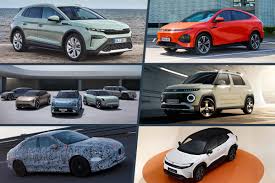
Car buyers in the U.S. are increasingly motivated by long-term value. Electric cars hold their resale value exceptionally well, especially models with updated software and extended battery performance guarantees. This trend has boosted interest in high-CPC topics such as “best EV resale value,” “EV financing rates,” and “electric car loan approval.”
The rise of electric vehicles has also reshaped the automotive repair industry. Since EVs have fewer mechanical components, they require less frequent service. This reduced maintenance appeal drives major interest for American buyers who are looking to minimize long-term ownership costs. It also fuels high-value search keywords related to “EV repair cost” and “battery maintenance tips.”
Electric luxury cars have emerged as a popular choice among affluent buyers seeking premium features without compromising sustainability. These EVs offer massage seats, panoramic sunroofs, high-resolution displays, autonomous features, and advanced driver-assistance systems—features commonly associated with high CPC keywords such as “luxury EV insurance” and “auto warranty plans.”
The American EV market has also benefited from advances in smart home integration. Drivers can now use mobile apps or voice assistants to schedule charging, check battery health, and control cabin temperature remotely. This seamless technology experience appeals to modern consumers who expect convenience, personalization, and smartphone compatibility.
Corporations have also embraced the electric future by electrifying their fleets. Delivery companies, ride-hailing services, and government agencies have begun transitioning to EVs, reducing fuel dependency and lowering operational costs. This shift has boosted American interest in commercial EV tax incentives and fleet financing options.
Public awareness campaigns have made Americans increasingly conscious of the environmental impact of driving. The push toward cleaner transportation has elevated the EV market, with more drivers realizing that switching to electric reduces emissions without sacrificing comfort or performance.
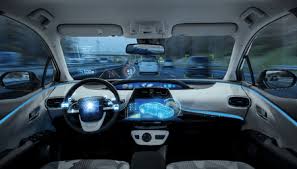
Innovation continues to move at a rapid pace as automakers invest in next-generation battery technologies, autonomous driving systems, and ultra-fast charging architecture. These advancements position electric vehicles not just as an alternative to gas cars—but as the future standard for transportation in the United States.
With powerful performance, lower lifetime costs, advanced safety features, and substantial tax incentives, electric vehicles have become the most compelling automotive option for Americans. The EV revolution is no longer simply happening—it is accelerating faster than ever, reshaping roads, cities, and the entire future of mobility across the nation.