Fuel efficiency has become one of the most important priorities for drivers across the United States, especially as fuel prices continue to fluctuate and environmental awareness grows. Modern car buyers are no longer focused solely on horsepower or brand prestige. They want vehicles that can stretch every drop of fuel, save money on long road trips, and still offer comfort and reliability.
Automakers worldwide are racing to engineer the most fuel-efficient cars ever made. Hybrid engines, improved aerodynamics, and lightweight frames have helped push efficiency standards to new heights. Many of today’s models can travel hundreds of miles on a single tank, making them ideal for commuters, road trip enthusiasts, and families who travel frequently.
Drivers today expect more than just mileage. They want a vehicle that performs well under different terrains, handles smoothly, and offers advanced safety technologies. Fuel-efficient cars now come with smart driver-assist systems, intuitive infotainment screens, and climate-conscious interiors.
What truly sets modern fuel-efficient cars apart is how eco-friendly they have become. Many models produce significantly fewer emissions, helping reduce environmental impact without requiring drivers to fully switch to electric vehicles. This has made efficient gasoline and hybrid cars more appealing for people who are not yet ready for a full EV transition.
Long-distance drivers in particular are searching for vehicles that minimize fuel stops. The convenience of extended driving range has turned several models into global favorites, especially in the American market where road trips are part of the culture.
Fuel-efficient engines are also becoming more durable. Many of the newest models require less maintenance, helping drivers save money not only on fuel but also on long-term ownership costs. This combination of savings has increased search interest in fuel-efficient cars across the country.
Insurance companies in the United States have also taken note. Fuel-efficient cars often qualify for lower insurance rates due to safer design, lower accident risks, and fewer repair issues. This financial advantage adds even more appeal to these vehicles, boosting demand among budget-conscious consumers.
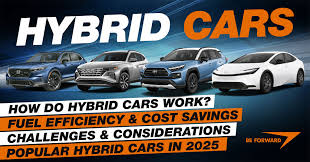
Another major advantage is the rise of hybrid technology. Hybrids can seamlessly switch between electric and gasoline power, delivering exceptional fuel economy without range anxiety. This makes hybrid sedans and crossovers ideal for American highways, rural areas, and busy city driving.
For families, fuel-efficient crossovers have also gained huge popularity. These vehicles offer more cargo space, better seating comfort, and long-range capabilities while still maintaining impressive mileage. This blend of practicality and economy has strengthened their position in the automotive market.
Fuel-efficient vehicles are also benefiting from improved warranty programs. Automakers now offer longer warranty coverage for hybrid batteries, powertrains, and other essential components. These extended warranties attract buyers who want reassurance and long-term value.
Many tech-forward brands are integrating smart driving apps that monitor fuel usage and efficiency trends. This digital convenience helps drivers refine their habits and maximize each trip, which is especially beneficial on long-distance journeys.
The global trend toward sustainability has positioned fuel-efficient cars as a key solution for environmentally aware drivers. Many American consumers actively search for cars that combine eco-friendly performance with affordability, making this category one of the most competitive in the automotive world.
Fuel-efficient sedans continue to hold strong appeal due to their smooth handling and aerodynamic structure. Many sedans deliver exceptional fuel economy without sacrificing speed or interior comfort, making them ideal for everyday commuting.
Compact cars are also regaining popularity, especially in major U.S. cities. Their small size, easier parking, and excellent mileage make them ideal for young professionals, students, and urban families. They remain one of the most cost-effective choices for personal transportation.
Diesel engines, although less common in the United States, still maintain a loyal following among long-distance drivers. Diesel cars are known for delivering exceptional torque and long-range efficiency, especially on highways.
Even luxury brands are joining the fuel-efficiency movement. Premium sedans and crossovers now come with hybrid powertrains, offering the perfect blend of comfort, prestige, and fuel savings. This shift has made luxury hybrids more popular among business travelers.
Electric-gasoline plug-in hybrids also stand out for long-distance usage. Drivers can use electric mode for city commuting and switch to gasoline for extended trips, creating unmatched versatility. Many models can be charged at home, reducing fuel consumption even further.
The future of fuel-efficient cars looks promising. With ongoing innovation in battery technology, engine refinement, and aerodynamic construction, upcoming models are expected to deliver even greater range and lower operating costs.
For now, fuel-efficient cars remain the top choice for Americans who want reliability, affordability, and long-distance performance. Whether planning a cross-country trip or navigating daily routines, these cars continue to lead the automotive industry.