Self-driving technology has rapidly transformed from a futuristic concept into a major force redefining transportation in the United States. Autonomous cars are reshaping how Americans think about safety, convenience, commuting, and mobility. This innovative technology continues to advance at an incredible pace, influencing automotive companies, tech giants, and everyday drivers.
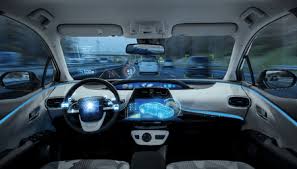
The appeal of autonomous vehicles lies in their promise of effortless travel. Self-driving systems can analyze road conditions, traffic flow, and potential hazards faster than humans, significantly reducing the risk of accidents. These systems operate with high precision, relying on advanced sensors, cameras, and artificial intelligence.
One of the most fascinating aspects of autonomous technology is its ability to learn. Self-driving cars are constantly gathering data from real-world environments, allowing them to improve their performance and become safer over time. This continuous learning gives them a major advantage over human drivers.
The United States has become a major testing ground for autonomous innovation. Companies are conducting large-scale road tests in various states, examining how self-driving systems navigate busy highways, complex intersections, and unpredictable urban environments. These tests help refine the algorithms that control autonomous cars.
Autonomous vehicles also have the potential to reduce traffic congestion. With coordinated driving and precise communication, self-driving cars could optimize road efficiency, minimize stop-and-go traffic, and improve travel times. This could dramatically improve daily commuting experiences.
Beyond personal vehicles, autonomous technology is transforming industries such as logistics and delivery. Self-driving trucks and delivery robots are being tested to streamline shipping operations, reduce labor costs, and enhance efficiency. This shift is influencing the future of business in the United States.
Self-driving taxi services are also on the rise. Several American cities are experimenting with autonomous ride-hailing vehicles, providing passengers with safe, convenient, and driverless transportation. This creates an entirely new model of mobility for urban living.
Safety remains a central focus in the development of autonomous technologies. Next-gen systems incorporate emergency braking, lane-centering assistance, real-time monitoring, and vehicle-to-vehicle communication. These features reduce accident risks and make roadways safer for everyone.
Insurance companies are now adjusting their policies in response to autonomous technology. Since self-driving cars rely on sophisticated safety systems, insurance rates may shift based on software reliability and sensor accuracy. This is reshaping the landscape of auto insurance in the United States.
Legal and regulatory frameworks are slowly evolving to keep up with this technological revolution. States across the country are developing guidelines to ensure that autonomous testing and deployment remain safe and effective, balancing innovation with public protection.
For individuals, autonomous cars offer unprecedented convenience. Passengers can relax, work, or enjoy entertainment during their commute. This transforms driving from a daily responsibility into an opportunity for productivity or rest.
Self-driving systems are becoming more accessible as production costs fall. Components such as lidar sensors and onboard computers are becoming cheaper, allowing automakers to introduce autonomous features in mid-range vehicles rather than only luxury models.
Autonomous electric vehicles are gaining popularity as well. Combining self-driving features with electric powertrains creates an efficient, sustainable mobility solution that aligns with eco-friendly trends in American society.
The integration of cloud technology enhances the performance of autonomous vehicles. Cars can sync with real-time maps, traffic updates, and weather data, ensuring a smoother and safer driving experience. This connectivity strengthens reliability and navigation accuracy.
Artificial intelligence lies at the core of autonomous driving. AI enables vehicles to interpret surrounding environments, predict driver behavior, and react instantly to unexpected obstacles. This intelligence is crucial for widespread adoption.
Despite the rapid progress, challenges remain. Extreme weather, unpredictable pedestrians, and complex city environments continue to test the limits of autonomous systems. However, ongoing advancements aim to overcome these obstacles and strengthen reliability.
The consumer interest in autonomous technology continues to rise. Many Americans are excited about safer roads, stress-free commuting, and the convenience of automated travel. This demand accelerates development and pushes automakers to innovate faster.
Autonomous vehicles are shaping a new era of mobility. They promise reduced accidents, greater efficiency, and a better travel experience for millions of people across the United States. As technology continues to evolve, the future of transportation looks more automated, intelligent, and connected than ever before.